Pre-Inspection Guide For Wallingford Home Sellers
January 1, 2026
January 1, 2026
Thinking about listing your Wallingford Craftsman or bungalow? A smart pre-listing inspection can save you weeks of stress, protect your list price, and help you move from first showing to closing with fewer surprises. Older Seattle homes are full of character, and they can also hide condition issues that derail negotiations if you find them too late. In this guide, you’ll learn what a pre-inspection covers, how to choose the right inspector, what to fix versus disclose, and how to use the results to strengthen your sale. Let’s dive in.
A pre-inspection gives you clarity before buyers step inside. It helps you:
Buyers expect some age-related issues in Wallingford, but big unknowns can be deal breakers. A clear, professional report turns unknowns into manageable choices.
Early-20th-century wiring or older panels are common. Inspectors often flag knob-and-tube, lack of grounding, or outdated fuses. These raise safety concerns and can affect insurance or lending, so they deserve top attention.
Galvanized steel supply lines, older copper joints, and aging cast iron drains can restrict flow or leak. Water heater age and venting also show up in reports. Buyers often ask for plumbing repairs when these items are active problems.
Our wet climate accelerates wear on shingles and flashing. Inspectors look for roof age, flashing integrity at intersections, and whether gutters and downspouts move water away properly. Poor drainage shows up as staining, leaks, or wood rot.
Settling, sill rot, and damp crawlspaces are common in older homes. Grading and gutter corrections are low-drama fixes that prevent bigger issues. Significant cracking or movement may merit an engineer’s opinion.
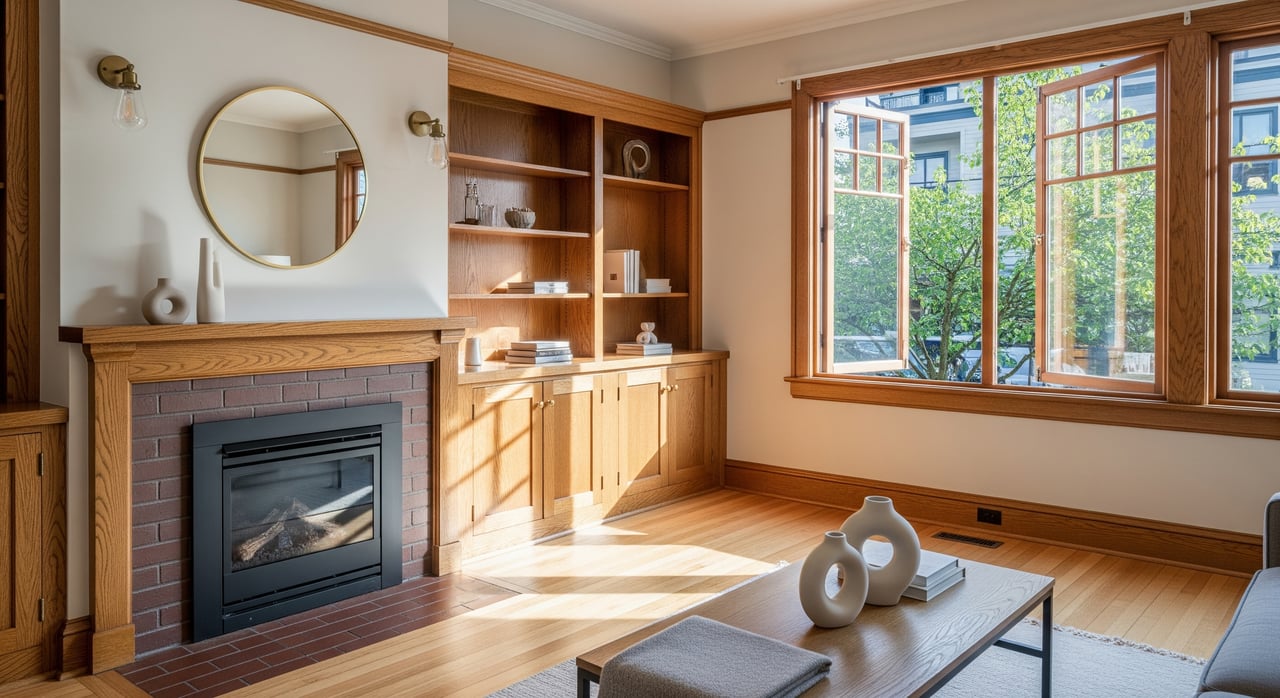
Original single-pane wood windows and aging exterior paint or siding can impact comfort and efficiency. These are usually marketability items rather than safety issues, but buyers notice them.
Attic insulation and proper ventilation often lag in older houses. Improvements can be cost-effective and reduce energy use. Buyers appreciate documentation of recent upgrades.
Clay lines and root intrusion are frequent finds. A sewer camera scope is common in Seattle sales because lateral repairs can be costly. Identifying issues upfront helps you decide whether to repair or offer a credit.
Lead-based paint in pre-1978 homes and potential asbestos in older materials are disclosure items. Wood-destroying organisms or rodent activity also appear in reports. Testing or remediation depends on your plans and buyer expectations.
Washington sellers must provide a written disclosure about a home’s condition. Review the state’s framework for residential disclosures in RCW 64.06 so you understand what is expected and how to approach known defects.
If your home was built before 1978, federal law requires a lead-based paint disclosure and that you provide buyers with the EPA’s pamphlet. Read the EPA guide, Protect Your Family From Lead In Your Home, and the overview of real estate lead disclosure requirements.
Local permit and utility records also matter to Seattle buyers. You can search permit and property records through the Seattle Department of Construction & Inspections and confirm property information with the King County Department of Assessments. For sewer laterals, review homeowner responsibilities with Seattle Public Utilities.
Plan your pre-inspection 1 to 4 weeks before you list. That window gives you time to review findings, gather bids, and handle key repairs.
Specialty scopes to consider for Wallingford homes include sewer camera, electrical review, structural or engineering opinions, chimney inspections, and testing for lead, asbestos, or radon when appropriate.
You want a pro who understands Seattle’s older housing stock and reports clearly. Use this short vetting list:
A great report is readable, photo-rich, and delivered within 24 to 72 hours so you can act quickly.
Use a practical approach that balances safety, marketability, and return:
Estimated costs vary significantly by scope and contractor. For planning, smaller repairs often land in the hundreds to low thousands, while major system replacements can range from a few thousand into the tens of thousands. Get multiple local bids before deciding.
A pre-inspection strengthens your position because you are presenting facts and solutions, not surprises. Sellers often see:
Use your pre-inspection strategically. Prepare a simple disclosure packet with the inspection report, permit history, receipts, and contractor estimates. If a big-ticket item is near end-of-life, consider offering a credit aligned with a written bid. Buyers appreciate certainty and choice.
A thoughtful pre-inspection approach fits Wallingford’s market. You give buyers clarity and show that the home has been cared for, which supports a stronger price and a smoother escrow.
Ready to plan your pre-list strategy and position your Wallingford home for a confident sale? Reach out to Ryan Hoff to talk timing, pricing, and presentation.
Stay up to date on the latest real estate trends.
My goal is not just to complete a sale, but to make sure my clients are well-educated throughout the process. My clients' needs come first and always making sure that they are satisfied. Providing my knowledge of market conditions and real home prices equips a seller or buyer to make their own decisions without a second thought.