Buying A Home In Shoreline WA: What To Consider First
February 19, 2026
February 19, 2026
Thinking about buying in Shoreline, WA, but not sure where to start? You’re not alone. With new light rail service, steady population growth, and a wide mix of homes, it can feel like a lot to sort through. In this guide, you’ll get clear, local context on neighborhoods, commute options, lot sizes, pricing drivers, and the key checks to do before you tour. Let’s dive in.
Shoreline sits just north of Seattle and has grown quickly in recent years. The U.S. Census estimates a population of 66,251 as of July 2024, up about 13 percent since 2020. The city’s owner-occupied rate is roughly 67 percent, the median value of owner-occupied homes is about $759,400, and the median gross rent is around $1,938 per month. These numbers give you a helpful baseline as you compare listings and affordability across neighborhoods. Census QuickFacts provides the latest snapshot.
Commutes are manageable by regional standards, but they vary by route and time of day. The Census reports a mean travel time to work of about 27.7 minutes, although peak traffic to downtown Seattle or Bellevue can add time. Keep this in mind as you prioritize proximity to transit, highways, or specific job centers.
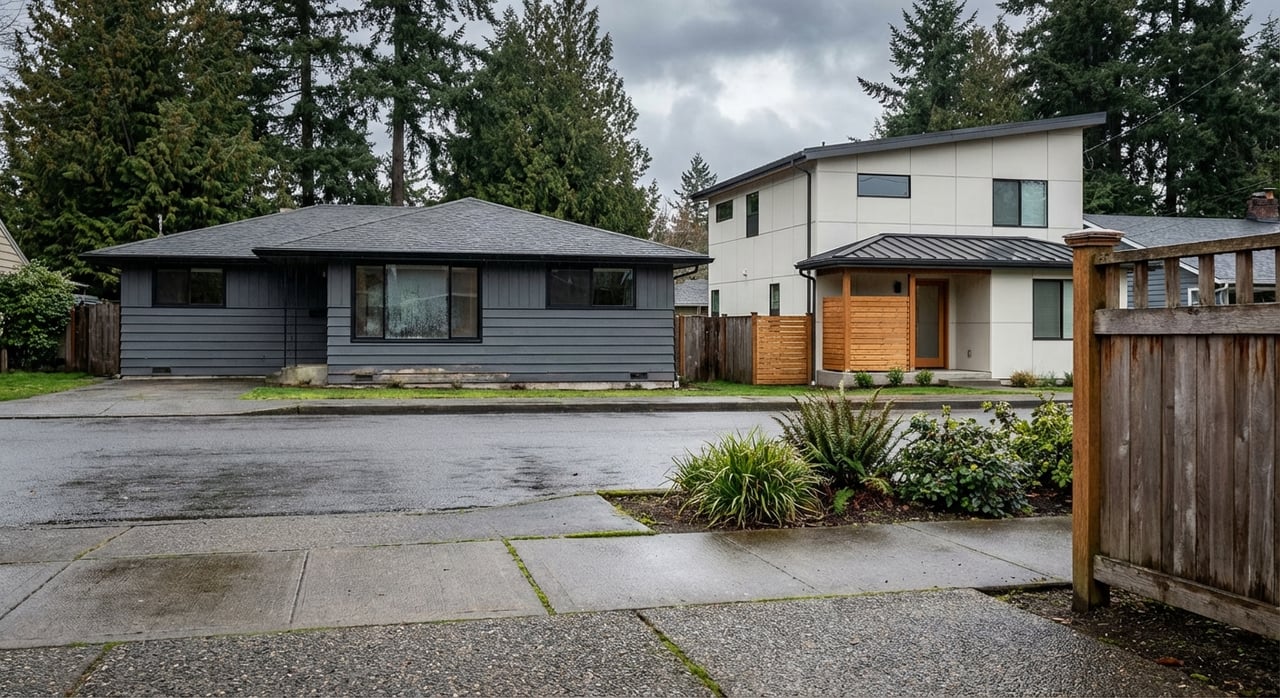
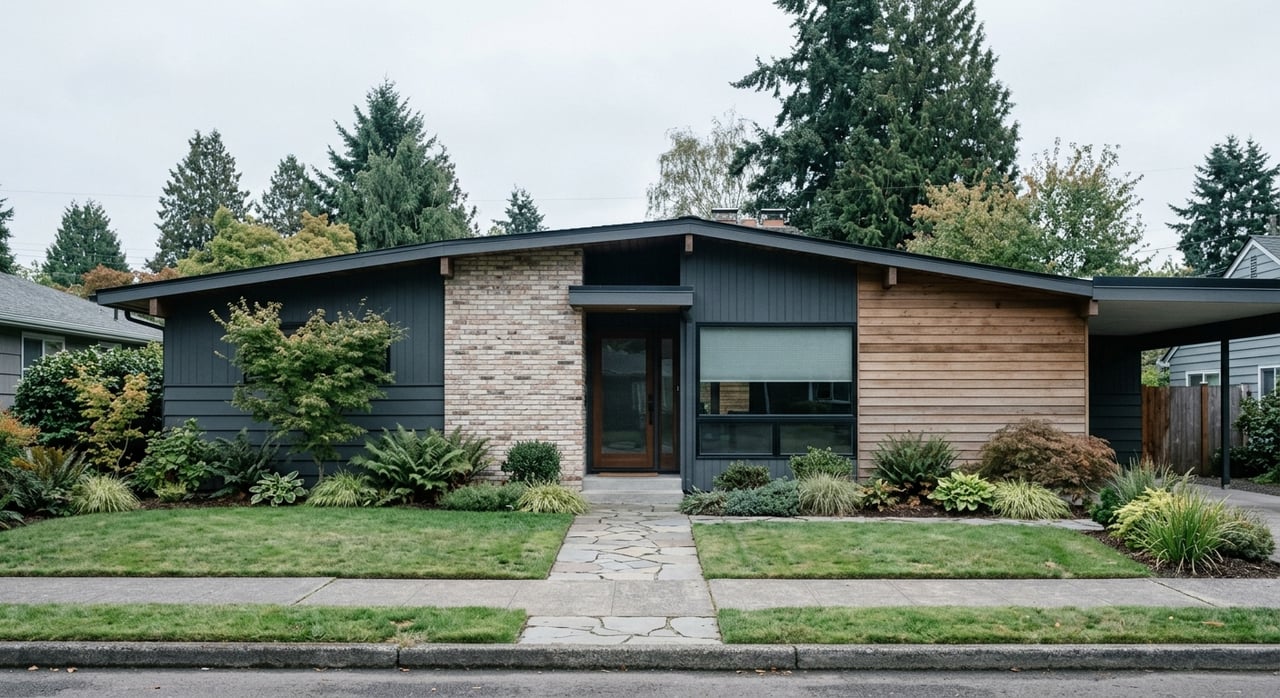
Most Shoreline neighborhoods are dominated by single-family houses. Many were built in the post-World War II era, so you’ll see mid-century styles on established lots, plus occasional newer rebuilds. The age of this housing stock often means immediate or near-term updates to systems like roofs, windows, electrical, or seismic improvements. The city’s housing materials note this aging profile, which explains the strong interest in renovation or replacement projects for some buyers. You can review that broader context in the city’s housing needs materials referenced in this housing analysis summary.
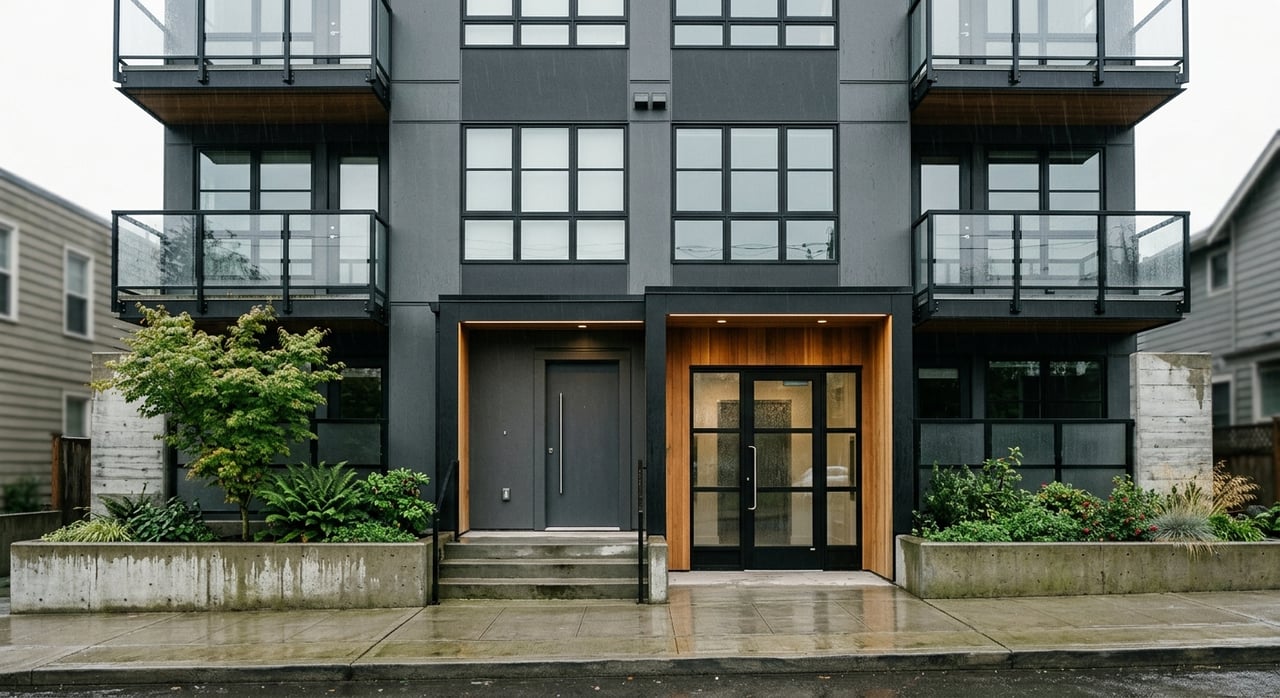
You’ll find more attached housing near major corridors and transit. Townhomes and low-rise condos are common close to mixed-use areas and station zones, often at price points below many single-family homes. If you want a lower-maintenance lifestyle with easier access to services, these areas can be a smart fit.
Lot size shapes how you live and what you can do later. As a rule of thumb in Shoreline’s residential zones, minimum lot areas range from about 7,200 square feet in lower-density NR3 zones to about 5,000 square feet in NR2 and about 2,500 square feet in NR1. That helps explain why many older blocks sit in the 5,000 to 7,200 square foot range, with smaller lots appearing in denser areas. Check exact standards in the Shoreline Municipal Code dimensional table.
If yard space, an addition, or an accessory dwelling unit is important to you, verify the recorded lot area for each property and confirm zoning. Larger parcels and waterfront lots often carry premiums and have different maintenance and insurance considerations.
Shoreline recognizes about 14 neighborhoods, each with its own topography, retail nodes, and feel. Use the city’s neighborhood resources to help you narrow your search areas and compare how they match your day-to-day needs. Start with the City of Shoreline neighborhood pages.
Parks and outdoor access are a major draw. Favorites include Hamlin Park, Shoreview Park, Kruckeberg Botanic Garden, Ronald Bog, and Richmond Beach Saltwater Park on the waterfront. If time outside matters to you, plan some visits around these areas. You can scan options on the city’s parks and facilities directory.
Walkability and services vary block by block. Some areas near Aurora Village or North City score well for errands on foot, while many single-family streets are more car dependent. If you want to run errands without a car, check local walkability metrics before you focus your search. A quick reference point is the Walk Score view for the 98133 area, which includes parts of Shoreline.
The biggest recent change is light rail. On August 30, 2024, Sound Transit opened Lynnwood Link service on the 1 Line with two Shoreline stations: Shoreline South/148th and Shoreline North/185th. For many buyers, this improves access to Seattle, UW, and destinations north to Lynnwood. It also drives more development and interest near the stations. Read more in Sound Transit’s update on Link 1 Line service to Lynnwood.
Bus service feeds those stations and runs along major corridors. King County Metro’s RapidRide E Line serves the Aurora corridor, and local routes were restructured to connect more directly with light rail. If transit is a top priority, map homes by walking distance to a station or frequent bus stop and confirm current timetables.
If you drive, I-5 and Aurora Avenue North are your main north-south routes. Expect longer travel times at peak hours. Try a few sample commutes at the times that match your schedule to see how different neighborhoods perform.
Several factors tend to influence value and competition:
Save time by doing a few checks up front:
With many mid-century homes on the market, plan for an inspection that looks closely at the roof, windows, siding, plumbing, electrical, and foundation. Older homes may also need seismic upgrades. If you love a neighborhood but the house needs work, a proactive maintenance plan can protect your budget and add long-term value. Shoreline’s housing materials acknowledge the aging stock, which supports why many buyers either renovate or pursue newer infill options. You can review a summarized reference in this housing analysis document.
Start with your top two or three must-haves, then target neighborhoods that fit:
Buying in Shoreline is about fit. When you align home type, lot potential, commute, and daily conveniences, the decision gets easier. If you want calm, local guidance and a clear plan for tours, due diligence, and offers, reach out. I’m here to help you compare neighborhoods, set a smart budget, and move forward with confidence. Connect with Ryan Hoff to start your Shoreline search.
Stay up to date on the latest real estate trends.
My goal is not just to complete a sale, but to make sure my clients are well-educated throughout the process. My clients' needs come first and always making sure that they are satisfied. Providing my knowledge of market conditions and real home prices equips a seller or buyer to make their own decisions without a second thought.