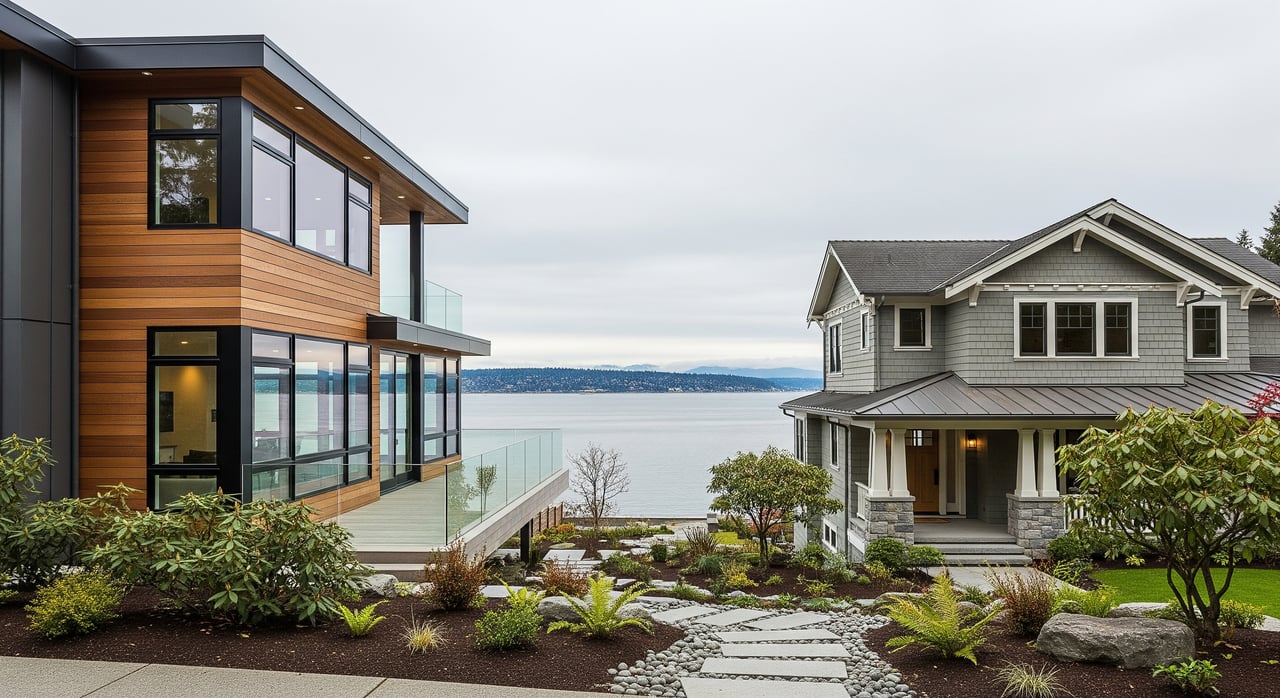
Shoreline New Construction vs. Resale: How To Choose
January 15, 2026
January 15, 2026
Trying to decide between a brand‑new Shoreline home and a resale in an established neighborhood? It is a great problem to have, but the choice affects your budget, timeline, and day‑to‑day lifestyle. You want clarity on costs, reliability, and where you will feel most at home. In this guide, you will learn how new construction and resale homes in Shoreline compare on price, maintenance, energy performance, warranties, timelines, and location so you can buy with confidence. Let’s dive in.
Shoreline sits just north of Seattle, with prices shaped by its location, transit access, and lot size. In this market, new construction typically carries a premium compared to similar resales on a per‑square‑foot basis. Industry ranges often run from a few percent up to roughly 10 to 15 percent, depending on finishes and scarcity. In Shoreline, proximity to arterials and transit can also affect pricing.
With a new build, you pay for modern layouts, new systems, and low near‑term maintenance. You may also face add‑ons like upgraded finishes, landscaping, fencing, and possible HOA fees. Ask for a full list of what is included versus upgrades so you can compare apples to apples.
Resale homes can offer more house or more land for the price. You may find larger lots and mature trees in established neighborhoods. Budget for immediate and near‑term items such as roof or HVAC replacement, water heater age, sewer scope findings, and potential kitchen or bath updates.
New homes generally include builder warranties that cover different items for set periods. Typical structures look like this, though terms vary by builder:
Plan for thorough walkthroughs, punch‑list tracking, and independent inspections at key stages where allowed.
For resales, your protections center on a strong inspection strategy and seller disclosures. Consider general, pest, roof, sewer scope, or septic inspections as needed. You can also look into a third‑party home warranty for added peace of mind on major systems.
Washington State building and energy codes have tightened over time, so new construction in Shoreline usually includes better insulation, tighter building envelopes, and efficient equipment. Many new homes feature high‑efficiency HVAC, often heat pumps, plus modern windows and doors that reduce heat loss. You may also see EV charger rough‑ins and efficient water heaters.
Older Shoreline homes can vary. Some have gas furnaces, older appliances, or limited air sealing, which can lead to higher utility costs. If you love a resale, plan for energy upgrades like air sealing, insulation, window improvements, or heat pump conversions. Local utilities and state programs periodically offer rebates for efficient equipment and weatherization, which can help offset retrofit costs.
Permitting, site conditions, and weather can add time. In our climate, heavy fall and winter rain may slow excavation, framing, and exterior work.
Resales usually pair with conventional, VA, or FHA loans. New builds may require construction‑to‑permanent financing or builder‑arranged options with set draw schedules. Builder incentives such as rate buydowns or closing‑cost credits can help, but compare the total cost carefully across options.
Many Shoreline resales are in established neighborhoods, often with larger lots, mature landscaping, and more privacy. Terrain varies from inland streets to areas near the Puget Sound bluffs, so topography and drainage can differ.
New construction in Shoreline often happens on subdivided or infill lots, in small clusters, or near commercial corridors that allow higher density. Yards may be smaller with newer landscaping but can include well‑designed patios, decks, and modern outdoor spaces that are easier to maintain.
Shoreline commuters commonly use I‑5 and Aurora Ave. New construction tends to cluster near redevelopment corridors or transit‑friendly areas, while resales dominate long‑established neighborhoods. If a specific commute route, transit stop, or park access is a priority, confirm where current new inventory exists versus where resale selection is stronger.
Use this quick framework to compare a favorite new build and a favorite resale on equal footing.
Timeframe
Budget and total cost
Maintenance tolerance
Lot and outdoor space
Energy and systems
Commute and lifestyle
Builder and quality risk
Both paths can be the right choice. If you value modern systems, energy efficiency, and low near‑term maintenance, a new build may be worth the premium. If you want a larger lot, mature landscaping, or a lower initial price, a resale can be a smart move with the right inspection plan and upgrade budget.
If you would like a side‑by‑side comparison of specific Shoreline homes or builders, reach out. You will get local comps, total cost comparisons, and a clear plan for inspections and timelines. Connect with Ryan Hoff to get started.
Stay up to date on the latest real estate trends.
My goal is not just to complete a sale, but to make sure my clients are well-educated throughout the process. My clients' needs come first and always making sure that they are satisfied. Providing my knowledge of market conditions and real home prices equips a seller or buyer to make their own decisions without a second thought.