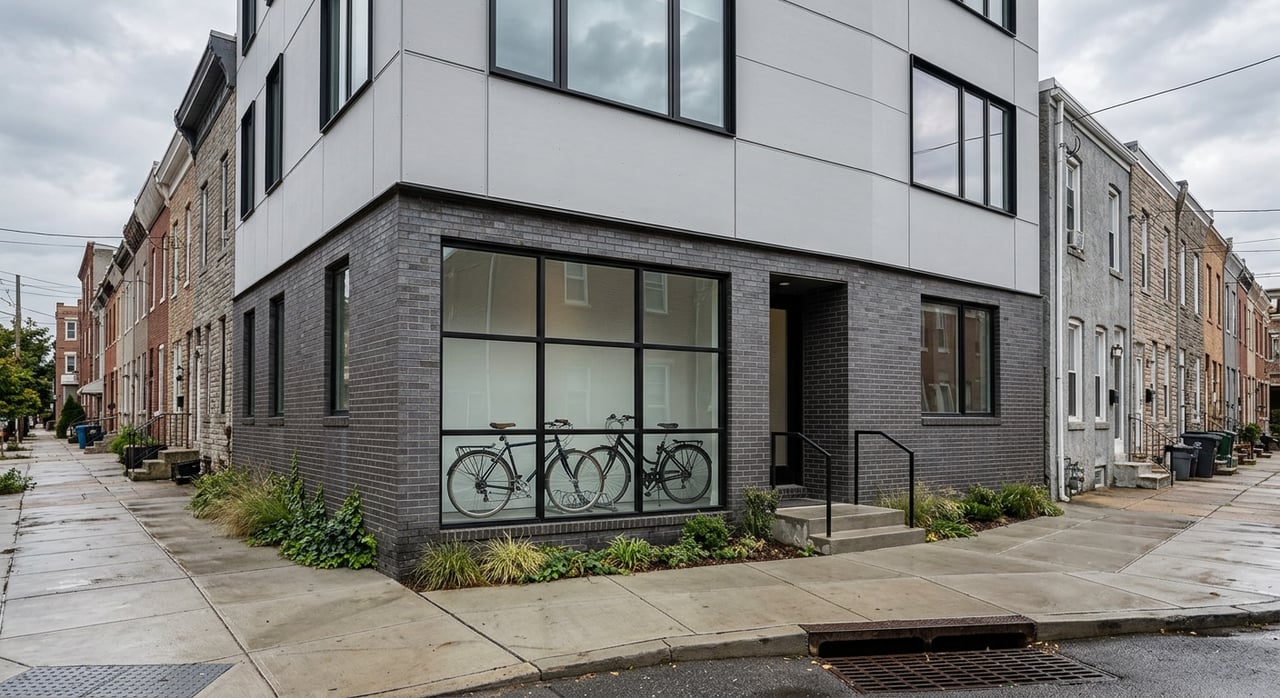
Car-Light Living In Ballard: How The Neighborhood Works
March 5, 2026
March 5, 2026
What if most of your daily errands, coffee runs, and nights out were a short walk from home? If you are drawn to vibrant streets, easy transit, and time back in your day, Old Ballard can fit the way you want to live. In this guide, you will see how the neighborhood supports a car-light lifestyle, how to get around, what to look for in homes and parking, and what a typical week can feel like. Let’s dive in.
Old Ballard centers on Ballard Avenue NW and NW Market Street, where the Ballard Avenue Historic District preserves a walkable main-street feel with tightly clustered storefronts and services. Many blocks in this retail core post Walk and Bike Scores in the 90s, which means daily errands often happen on foot or by bike. You can verify block-level walkability for streets like Ballard Avenue using Walk Score’s map of the corridor. The takeaway is simple. The closer you are to the central commercial blocks, the more car-optional life becomes.
Grocery runs and fresh produce are easy here. You will find neighborhood staples like PCC Community Markets and Trader Joe’s in the Ballard area, plus the year-round Ballard Farmers Market that takes over Ballard Avenue on Sundays. With frequent markets and stores nearby, you can skip a weekly car trip for many basics. That convenience is a major part of why Old Ballard supports a car-light routine.
Weekend plans do not need a parking spot. The Hiram M. Chittenden Locks sit at the neighborhood’s edge, where you can watch boats and salmon runs or stroll the grounds. Golden Gardens and the waterfront are bikeable for sunset views. Cultural stops, like the National Nordic Museum, add to the local mix of walkable attractions.
On and near Ballard Avenue and NW Market Street, sidewalks are active and crossings are frequent. High Walk Scores reflect the short distance between homes, coffee shops, groceries, and services. As you move farther from the central blocks, walkability can taper. If car-light living is your goal, focus your home search near the retail spine.
The Burke-Gilman Trail reaches Ballard and forms the backbone for longer rides across north Seattle. A missing 1.2-mile connection through the Salmon Bay and Shilshole corridor has been studied for years. The City has advanced design for an alternative alignment that uses NW Market Street, Leary Avenue NW, and 17th Avenue NW, and has shared progress updates through outreach. When completed, this link would make all-ages bike access through the core more direct and predictable.
RapidRide D Line is a workhorse that connects Ballard to Uptown and downtown with frequent, high-capacity service. Local routes like the 40 and 44 round out east-west and north-south access, which makes single-transfer trips common. For many commutes, buses offer a reliable alternative to driving. Metro updates schedules regularly, so confirm frequency for your time of day.
Sound Transit’s Ballard Link Extension is planned to bring light rail to Ballard in a future phase of the regional network. Planning and environmental review are ongoing, and timelines can evolve through design and funding milestones. Even before trains arrive, the project matters for long-term mobility and housing choices. Keep an eye on official updates to see how the alignment and station planning progress.
Old Ballard blends historic storefronts with nearby Craftsman houses, townhomes, condos, and mid-rise apartments. The urban-village area near NW Market Street is where car-light living is easiest because retail, parks, and transit cluster there. If walking is a priority, focus on condos and townhomes within a few blocks of Ballard Avenue and key bus stops. That location choice often has a bigger impact on your daily routine than any single amenity inside the building.
Parking is a real cost driver in urban housing. Building structured stalls is expensive, and those costs flow into sale prices or rents. In transit-rich areas like Ballard, King County’s Right-Size Parking research shows that actual demand per unit can be lower than traditional assumptions, which is why some buildings provide fewer stalls or offer them separately. Seattle’s land-use code also reduces or waives minimums for sites near frequent transit, so be sure to check how a specific property handles parking.
Old Ballard’s popularity can create curbside pressure during peak times. The City’s Restricted Parking Zone program manages residential blocks near busy districts. Before you buy or lease, confirm whether your address is inside an RPZ and how guest permits work. This is especially important if you plan to keep a car while living car-light most days.
You walk a few minutes to the RapidRide D stop, ride downtown, and grab groceries at a nearby market on your way home. Evenings mean a quick walk to dinner on Ballard Avenue. Weekend mornings start at the Farmers Market, and afternoons are for a bike ride on the Burke-Gilman or a stroll to the Locks. For bigger trips, you book a carshare or ride service and skip paying for a dedicated stall.
You choose a townhouse near NW Market Street to keep daily needs close. Groceries are an easy walk, and the family takes regular outings to Ballard Commons Park and the Locks. You keep one car for weekend adventures outside the city, but most weekday trips happen on foot, bike, or bus. When comparing listings, you check building parking options and the RPZ map for your block.
Your condo is steps from Ballard Avenue. Mornings start with coffee on foot, and lunchtime rides on the Burke-Gilman double as exercise. Evenings rotate between local breweries and restaurants, with friends meeting you in the core to avoid parking hassle. For mountain getaways or ferry trips, you rent a car as needed and return to a low-stress daily routine.
Use this quick list to evaluate any Old Ballard address:
Check Walk Score and Bike Score for the exact block near Ballard Avenue or NW Market Street.
Locate the nearest frequent bus stops, especially RapidRide D and routes that match your commute.
Confirm the building’s parking ratio and whether stalls are bundled, leased separately, or unavailable.
Review Seattle’s RPZ map for your specific address and read the guest permit rules.
Map your core errands. Identify the closest grocery, pharmacy, and park, plus the Sunday Farmers Market.
Plan your bike route. Note how you will connect to the Burke-Gilman and where the Missing Link design stands.
Test real life at peak times. Visit on a sunny weekend to experience crowds and curb demand before you commit.
Quick links: RapidRide overview, RPZ program, Ballard Farmers Market, Ballard Missing Link design page, Walk Score for Ballard Avenue.
Living car-light in Old Ballard is not about giving up options. It is about choosing a home that makes walking, biking, and transit the default, then keeping a car as a tool for the trips that truly need it. If you want help narrowing your search to the most walkable blocks and transit-friendly buildings, reach out to Ryan Hoff for tailored guidance.
Stay up to date on the latest real estate trends.
My goal is not just to complete a sale, but to make sure my clients are well-educated throughout the process. My clients' needs come first and always making sure that they are satisfied. Providing my knowledge of market conditions and real home prices equips a seller or buyer to make their own decisions without a second thought.