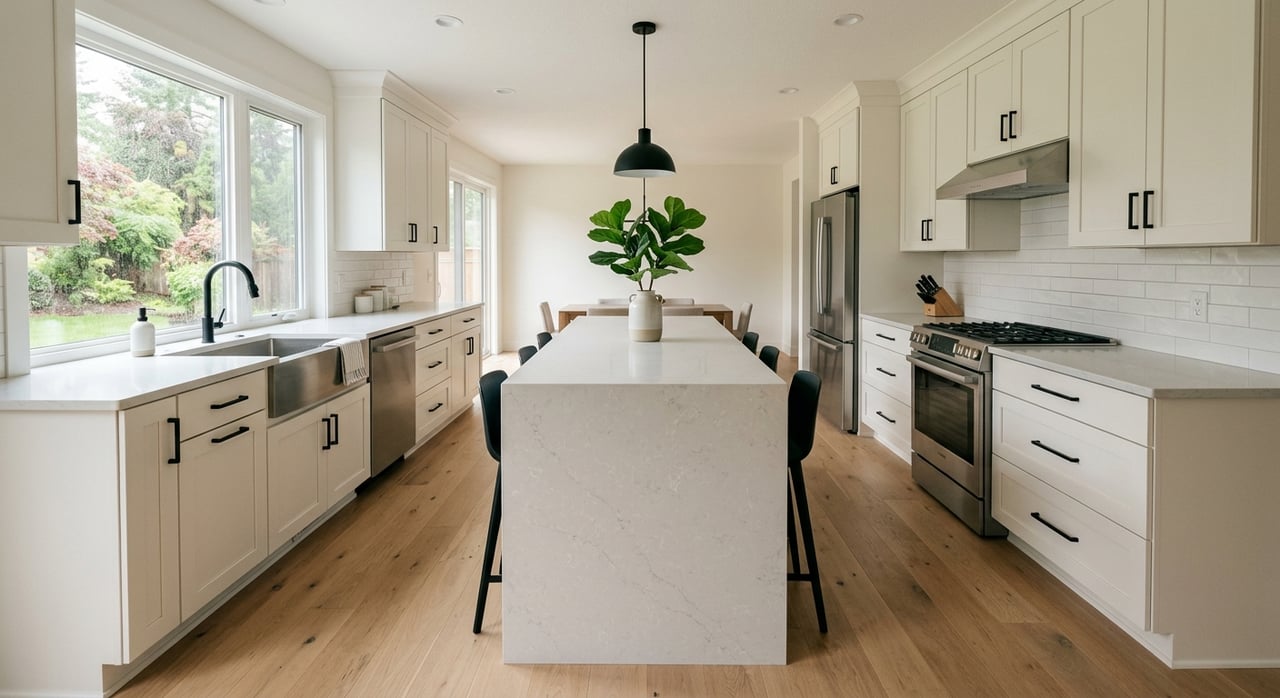
How to Price and Prep When Selling a Home in Wallingford
May 14, 2026
May 14, 2026
Wondering how to price and prep your Wallingford home without leaving money on the table? If you own a character home in this part of Seattle, you are not just selling square footage. You are selling charm, condition, and how confidently a buyer can picture life there. In this guide, you’ll learn how to think about pricing, presentation, timing, and seller essentials so you can make smart decisions before your home hits the market. Let’s dive in.
Wallingford has a distinct housing identity. Seattle’s design guidance notes that the neighborhood developed rapidly from about 1900 to 1920, and its character is closely tied to bungalows, street trees, alleyways, and pre World War II scale.
That matters when you sell. Many buyers looking in Wallingford are drawn to original details, established streetscapes, and homes that feel authentic to the neighborhood. In other words, your strategy should usually highlight character rather than try to erase it.
Wallingford also continues to behave like a premium, seller-leaning submarket. Recent market snapshots show median prices around the high-$900,000 range, with homes often selling close to asking and seller’s market conditions still in place.
A strong Wallingford sale often starts with realistic pricing. Even in a seller’s market, buyers are still comparing your home to recent sales, active listings, and the monthly payment impact of today’s mortgage rates.
Seattle and King County remain expensive, but inventory has increased from the very tight conditions of prior years. NWMLS reported April 2026 median prices of $868,750 in Seattle and $859,000 in King County, while active inventory across the area rose 28.4% year over year and months of inventory reached 3.27.
That means pricing discipline matters. If your home is priced too high, buyers may hesitate, wait, or move on to better-positioned options.
The safest pricing anchor is recent comparable closed sales in Wallingford. From there, your pricing should adjust for the details buyers actually care about in this neighborhood.
Key factors often include:
This framework matters because two homes with similar size can perform very differently based on presentation and risk. A clean, well-prepared home with clear upkeep may justify stronger pricing than a similar home that feels uncertain or unfinished.
Closed sales tell you what buyers already accepted. Current listings show what your home must beat right now.
If similar homes are already on the market, buyers will compare them side by side. In a more balanced environment than the peak frenzy years, an ambitious list price is more likely to sit unless your home truly stands out on condition, location, and presentation.
Mortgage rates affect buyer behavior, even in desirable neighborhoods. Freddie Mac reported a 30-year fixed average of 6.37% on May 7, 2026, which means many buyers are more payment-sensitive than they were a few years ago.
That does not mean Wallingford is weak. It means buyers may still pay strong prices, but they tend to be more selective. Well-priced homes can still move quickly and close near asking, while overpriced homes may lose momentum.
Preparation is not about making your home look generic. In Wallingford, it is usually smarter to make the home feel clean, cared for, and easy to understand while keeping period details visible.
That approach fits both the neighborhood’s identity and broader staging research. According to the National Association of Realtors’ 2025 staging snapshot, 83% of buyers’ agents said staging made it easier for buyers to visualize a property as their future home.
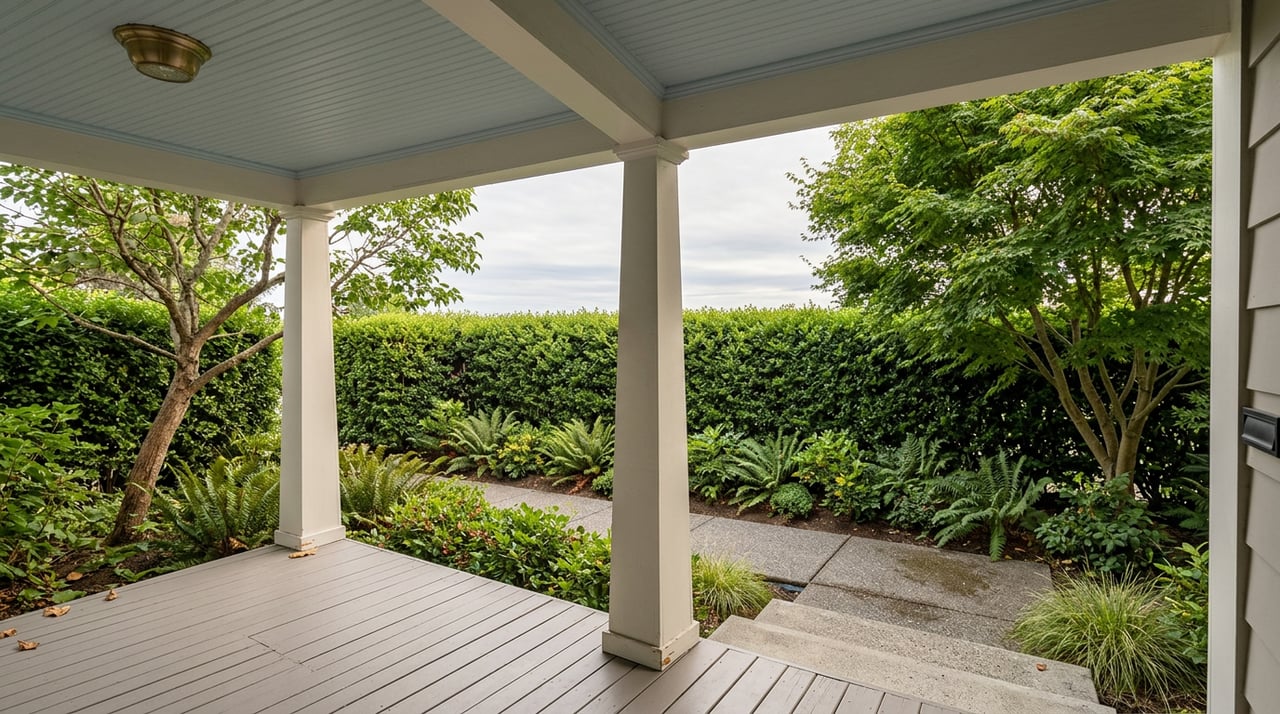
If your home has original trim, built-ins, a welcoming porch, or Craftsman details, let those features breathe. Buyers often respond well when character elements are visible rather than hidden behind too much furniture, heavy styling, or rushed cosmetic changes.
Before spending heavily, pause and ask whether the improvement is truly likely to help your sale. In many cases, a polished presentation beats a costly last-minute remodel.
Common prep steps that can improve presentation include:
The most commonly staged areas are often the living room, primary bedroom, dining room, kitchen, and outdoor spaces. If you want to focus your effort, those rooms are a practical place to start.
Wallingford’s appeal often comes from details that newer homes do not have. If your home includes original millwork, vintage doors, built-ins, or classic exterior elements, presentation should support those features instead of competing with them.
A good rule of thumb is simple: reduce visual friction. When buyers can clearly see both the home’s charm and its functionality, they are more likely to feel confident about making an offer.
Before you take on repairs or pre-sale upgrades, make sure you understand Seattle’s permit rules. The city says most projects require a permit, and it separately identifies electrical, plumbing, side sewer, construction, and land-use permits.
Some work that seems minor may still trigger permit requirements. Seattle specifically notes that wiring changes require an electrical permit, and many deck projects do too.
This matters for two reasons. First, it helps you avoid delays or extra cost. Second, permit history can influence how buyers view risk when comparing your home to other options.
If your home was built before 1978, lead-based paint disclosure rules may apply. Buyers are entitled to known lead information before signing a contract.
That issue often matters in Wallingford because the neighborhood has many early-20th-century homes. If you have records or known information, it is better to gather that early rather than scramble later.
Washington also requires a seller disclosure statement for improved residential property unless it is waived or exempt. Under state law, that disclosure must generally be delivered within five business days after mutual acceptance unless otherwise agreed, and if you later learn something that makes it inaccurate before closing, you must amend it.
The disclosure is based on your actual knowledge. It is not a warranty by you or your agent, but it is still an important part of a well-managed sale.
If you have flexibility, early preparation can give you more options. Waiting until the last minute often leads to rushed decisions on repairs, cleaning, staging, and pricing.
NWMLS’s 2025 annual reporting showed that new listings peaked in May, months of supply were lowest in March, and highest in September. For sellers, that suggests spring can bring strong buyer attention, though it may also come with more competing inventory.
The takeaway is not that there is only one right month to sell. It is that your launch should be intentional. A well-prepared home with the right pricing strategy usually has a better start than a home that hits the market before it is ready.
Price is only part of the picture. Your likely net matters just as much.
In Washington, real estate excise tax is generally due to the county treasurer on the date of sale. That means it should be part of any realistic closing-cost estimate from the beginning.
When you know your likely costs up front, you can make better decisions about pricing, prep spending, and negotiation strategy. That helps you stay focused on your actual bottom line instead of just the headline list price.
Selling in Wallingford usually rewards owners who respect both the numbers and the neighborhood. Buyers here often respond to homes that feel authentic, well-cared-for, and honestly priced for current market conditions.
If you are thinking about selling, the goal is not to guess. It is to build a plan around recent Wallingford comps, your home’s specific strengths, likely buyer concerns, and a prep strategy that highlights character without over-improving.
For tailored pricing guidance and a thoughtful, low-pressure plan to prepare your home for market, contact Ryan Hoff to request a free home valuation.
Stay up to date on the latest real estate trends.
My goal is not just to complete a sale, but to make sure my clients are well-educated throughout the process. My clients' needs come first and always making sure that they are satisfied. Providing my knowledge of market conditions and real home prices equips a seller or buyer to make their own decisions without a second thought.