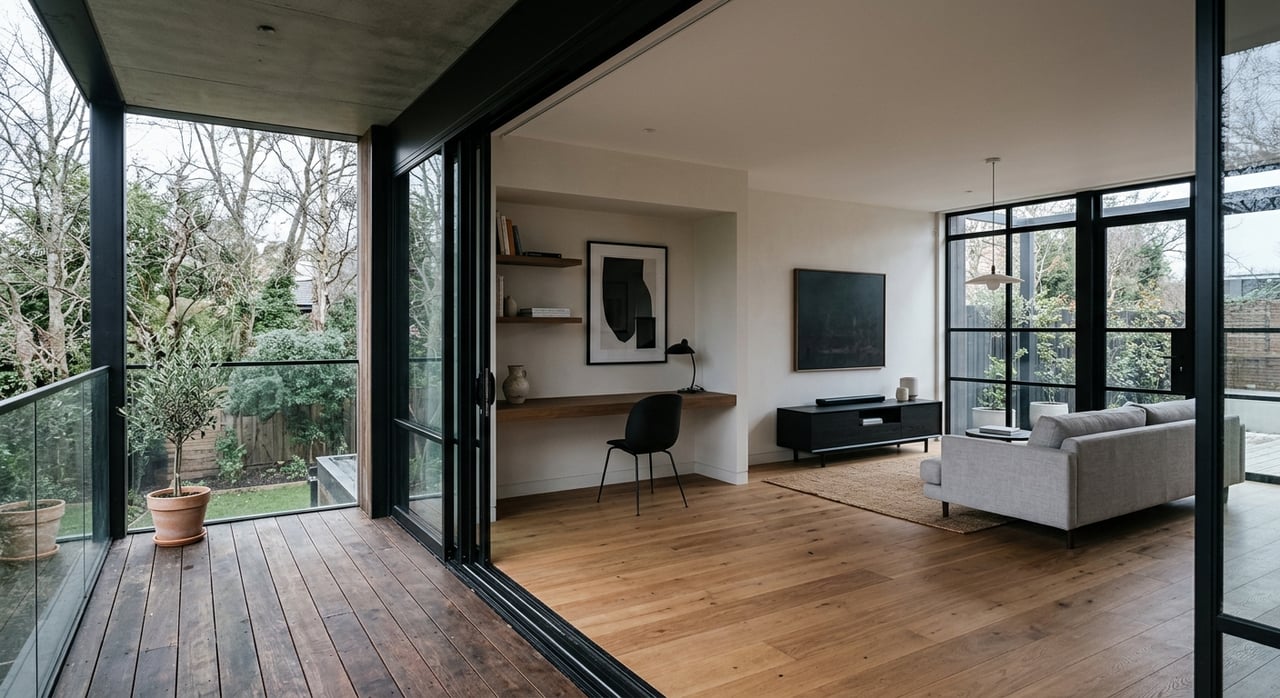
Living in Fremont Seattle: A Remote-Work Lifestyle
April 2, 2026
April 2, 2026
If your workday starts at home but does not always stay there, Fremont stands out for a simple reason: it makes remote life feel easier and more interesting. You can take calls from home, walk to a coffee shop, step onto a trail after work, and still stay well connected to the rest of Seattle. For many buyers and relocators, that mix of flexibility, neighborhood energy, and access is exactly the point. Let’s dive in.
Remote and hybrid work changed what many people want from a neighborhood. Instead of focusing only on commute time, you may also care about walkability, places to work outside the house, and how easy it is to reset between meetings.
Fremont checks those boxes in a very practical way. Visit Seattle describes Fremont as popular with artists, students, and young professionals, and the neighborhood has a year-round Sunday Market with more than 150 vendors. That adds up to a place that feels active and self-contained without requiring you to leave the neighborhood for every errand or change of scenery.
On a typical weekday, Fremont gives you options. Side streets can feel more residential, while the core has a more mixed-use rhythm with shops, cafes, and business activity close together.
That balance matters if you work from home several days a week. You can keep a quieter home base and still have nearby places to grab coffee, meet someone informally, or take a short midday walk. Fremont also benefits from business areas that the city says are reachable by walking, bicycling, carpooling, or public transit, which supports a less car-dependent routine.
Weekends bring a different energy. The Fremont neighborhood guide from Visit Seattle highlights the Sunday Market, which helps give the area a lively, local feel throughout the year.
That shift can be a real advantage if you want a neighborhood that does not go quiet when the work laptop closes. Instead, Fremont offers a built-in change of pace with parks, local businesses, and community gathering spots that make it easy to enjoy your time off close to home.
If you like working from home but still want a professional setting sometimes, Fremont has strong nearby options. The Doc Freeman Building offers coworking with gigabit fiber, conference rooms, and 24/7 access.
A nearby alternative is West Canal Yards in North Interbay, between Fremont, Ballard, Magnolia, and Queen Anne. According to the research provided, it offers 24/7 access, fast WiFi, private phone rooms, showers, and free parking, making it a useful overflow option if you live in or near Fremont and want another place to work outside the house.
For many remote workers, the best neighborhood is one that helps you change gears without much effort. Visit Seattle’s roundup of solo-friendly places points to Fremont Coffee Company, Lighthouse Roasters, and Aroom Coffee.
Each one supports a slightly different routine. You might use a cafe for a casual meeting, a change of scenery between calls, or simply a quick reset during the day. Lighthouse Roasters is noted as a Fremont institution, while Aroom Coffee is highlighted for Vietnamese-style lattes, which adds to the variety close at hand.
One of Fremont’s biggest advantages is how easy it is to get outside. The Burke-Gilman Trail runs through Fremont along the ship canal and past Gas Works Park, giving you a convenient option for walking, running, or biking before work, at lunch, or after hours.
That kind of access can shape how a neighborhood feels over time. When your workday happens largely at home, being able to step outside quickly can make the area feel more livable and less repetitive.
Fremont Canal Park adds another layer to that lifestyle. Visit Seattle notes that it is a quiet linear park with a pedestrian trail, benches, and an ADA-accessible viewing platform, and it also serves as a community gathering space during the annual Fremont Fair.
Troll’s Knoll adds a smaller park and community garden near the Fremont Troll. Together, these spaces give you more than just scenery. They give you short, convenient places to clear your head between meetings or unwind at the end of the day.
If you are trying to picture daily life here, it helps to understand Fremont’s layout. The city’s neighborhood planning framework supports a mix of housing types and affordability, encourages housing in commercial areas, and supports higher-density housing in mixed-use areas near transit corridors.
In practical terms, that helps explain why Fremont can feel different block by block. Some parts feel more residential on side streets, while the core feels more urban, walkable, and mixed-use. For buyers, that means you can often choose between a quieter setting and closer proximity to shops, transit, and neighborhood activity.
A city draft urban-village map also suggests future expansion based on a 10-minute walk to frequent transit. That detail matters because it reinforces one of Fremont’s main strengths: the neighborhood is set up to support daily life without requiring you to drive everywhere.
If you work remotely most of the time but still want good mobility, that can be a strong fit. You may not need the shortest downtown commute every day, but you still benefit from a neighborhood designed around access and flexibility.
For hybrid workers, Fremont’s transit access is a major draw. Seattle’s Route 40 project page says the route passes through Fremont, South Lake Union, Downtown Seattle, and Pioneer Square.
That same source notes Route 40 is the fifth-highest-ridership route in King County Metro, with more than 8,500 average weekday boardings. If your week includes a few office days, that kind of direct connection can make Fremont more practical than a neighborhood that feels good at home but harder to leave.
The ongoing Route 40 project is also adding bike and scooter lanes, sidewalks, curb ramps, and better bus infrastructure near Fremont Bridge. Just as important, the city says the Fremont Bridge shared-use path and Burke-Gilman Trail will remain open during construction.
That supports the kind of multimodal routine many remote and hybrid workers want. You can move around by foot, bike, scooter, or bus more easily, which helps Fremont work for people who want options beyond driving.
Fremont also appeals to people who split time between home and office because it sits close to major employment areas. King County’s commercial office report lists Adobe and Tableau in Fremont and points to major tech concentrations in nearby South Lake Union and other central Seattle submarkets.
That matters if your job is not fully remote or if you want to stay close to Seattle’s office ecosystem for future flexibility. Even if you only commute occasionally, being near major job centers can make your housing choice feel more durable over time.
For many buyers, Fremont works because it solves several needs at once. It can offer neighborhood energy, nearby workspaces, outdoor access, and useful transit connections in one place.
It is also the kind of neighborhood that tends to make sense for relocation buyers who need to learn Seattle quickly. If you are moving from out of town, Fremont gives you a clear daily-life picture: places to work, places to recharge, and solid links to the rest of the city.
If you are exploring Fremont or comparing it with other North Seattle neighborhoods, working with someone who understands how lifestyle, transit, and housing stock fit together can make the search much easier. When you are ready for thoughtful guidance and local perspective, connect with Ryan Hoff to talk through your options.
Stay up to date on the latest real estate trends.
My goal is not just to complete a sale, but to make sure my clients are well-educated throughout the process. My clients' needs come first and always making sure that they are satisfied. Providing my knowledge of market conditions and real home prices equips a seller or buyer to make their own decisions without a second thought.