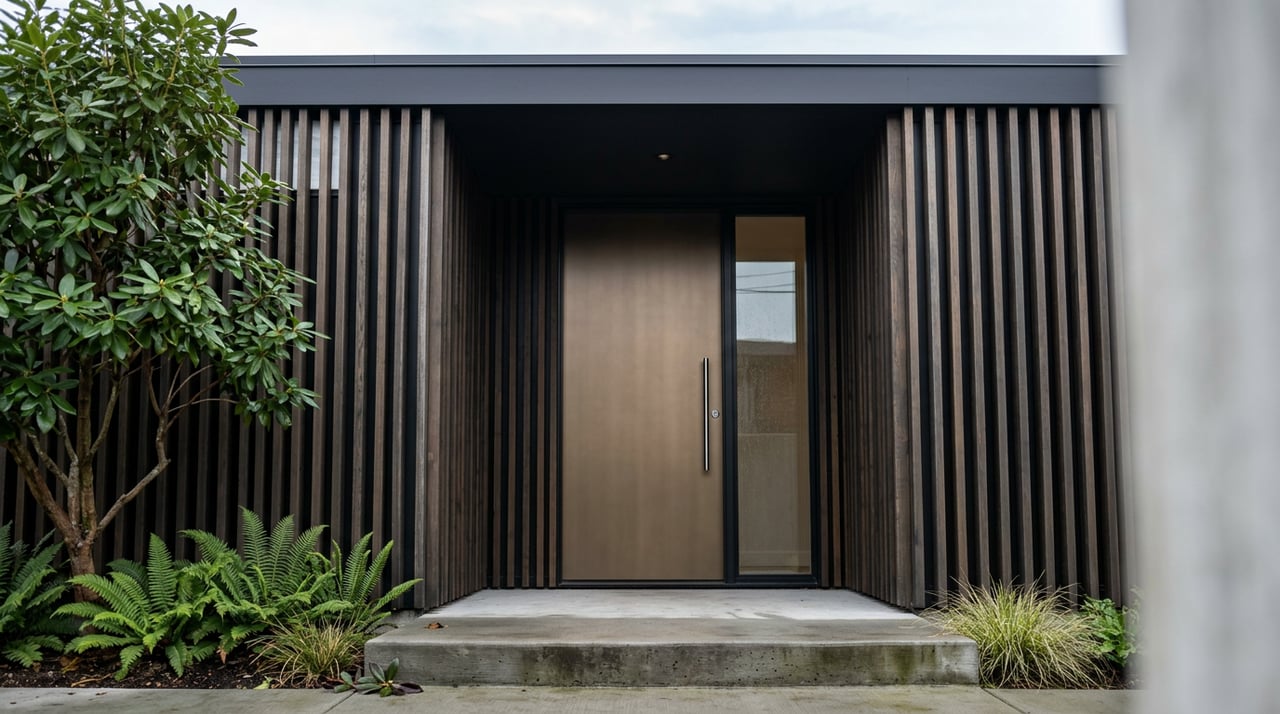
Ballard’s Route 40 Punch List: What’s Left on Leary Way
September 17, 2026
September 17, 2026
Crews were back on Leary Ave NW this month, and what may have looked like a new dig was the tail end of one that started before most of us stopped noticing the cones. The Route 40 Transit-Plus Multimodal Corridor Project has been reshaping the street grid between Ballard and downtown since 2024, and the work that showed up in September is what construction crews call a punch list, the final pass through a project that's otherwise done. Sidewalk repairs. Landscaping restoration in the tree pits. Permanent signs going up where temporary ones stood for two years. Drainage and concrete work concentrated on NW Leary Way and 20th Ave NW, expected to start as early as late September.
At the same time, that same stretch of Leary is also where a new restaurant is finishing its build-out. John Kochendorfer, formerly the lead brewer at Elysian and later at Ferndale's District Brewing, is opening a German-inspired restaurant called Kochendorfer's at 4910 Leary Ave NW, in the old Fish Ladder Lounge and Shelter space. The liquor license came through earlier this year. The restaurant is finishing its build-out as the final street work approaches.
It helps to know why the city spent two years on this before deciding whether the disruption was worth it. Route 40 is a 13.5-mile bus line running from Northgate through Crown Hill, Loyal Heights, Ballard, Fremont, South Lake Union, and downtown to Pioneer Square. It's the fifth highest ridership route in the entire King County Metro network, and it was getting more popular every year the city was digging up the street to fix it. In fall 2024, the route logged more than 8,500 average weekday boardings, an 11 percent jump from the year before.
That's the part that gets lost in the noise of construction: this wasn't a road being fixed because it was broken. It was a road being rebuilt because too many people were already using it and the bus kept getting stuck behind everyone else. The project's stated goal was straightforward: give buses their own lane where possible, tighten up signals so buses get priority at intersections, and stop making thousands of daily riders sit in the same traffic as everyone else.
Most citywide write-ups on Route 40 quote a modest number. Overall, once the whole corridor is finished, Metro expects a 5 to 10 percent reduction in travel time. That's a good outcome for a transit project, but not a dramatic one. The number that actually explains why this corridor got years of construction and this much city money is narrower, and it belongs specifically to the Ballard-to-downtown leg.
| What was measured | Result |
|---|---|
| Overall corridor travel time reduction (project complete) | 5 to 10 percent |
| Ballard-to-downtown segment specifically | 14 to 17 percent |
| Average weekday boardings, fall 2024 | 8,500-plus |
| Ridership growth, fall 2023 to fall 2024 | 11 percent |
The gap between the citywide number and the Ballard number tells you where the actual bottleneck was. Ballard riders weren't losing a little time to traffic. They were losing a lot of it, disproportionately, compared to the rest of the route. The bus-only lanes going in on stretches of NW Market St, Leary Ave NW, N 36th St, Holman Rd NW, and Westlake Ave N were built to close that specific gap, not to shave a few seconds off the whole system.
If you've lived here through this, you've watched the same blocks get worked on more than once, which understandably reads as the city not finishing the job the first time. It's the opposite. Punch list work is what happens after final inspections turn up small items the crews missed on the first pass, and it's a normal, expected part of closing out a project this size. What's left in Ballard right now includes:
None of this is new disruption. It's the city finishing what it started, and most of it should wrap within the next several weeks, weather and materials permitting.
The bus-only lanes are the part of this project residents will actually feel, whether or not they ride the 40. These are Business Access and Transit lanes, meaning buses get priority but drivers can still use the lane to make a right turn or pull into a driveway. On Holman Rd NW specifically, the design kept a two-way center turn lane in place so people can still turn left onto side streets without blocking traffic behind them. The idea was never to punish drivers. It was to stop asking a bus carrying forty people to wait behind a car carrying one.
Fremont, the other half of this same project, is getting a parallel set of changes this fall. Crews are restriping Fremont Ave N between N 35th and N 36th, removing the dedicated left-turn lane northbound while still allowing left turns from the general lane, which frees up space for loading zones and southbound bike travel. The city says that change came directly from feedback submitted by local businesses and people who bike through the area, which is a small detail worth sitting with. This project didn't just get engineered from a transit model. It got shaped, block by block, by the people who use these streets every day.
Go back to Kochendorfer's for a second. Kochendorfer's, a 2,350-square-foot restaurant on Leary Ave NW, is finishing its buildout. The final drainage and concrete work expected on NW Leary Way this month is part of the same corridor project. That's another way to look at this whole project, beyond any single travel time statistic: sidewalk repairs, permanent signage, and landscaping restoration alongside the bus improvements.
Ballard has weathered plenty of storefront churn over the past year, openings and closings both, and a construction zone doesn't make that math easier for anyone deciding whether to sign a lease. A street that's finally getting its permanent sidewalks, its permanent signage, and its restored tree pits is a street that reads as done to the next business owner sizing up a space. That's not a small thing for a neighborhood commercial corridor to get back.
If your daily walk or drive touches Market Street, Leary, or 20th Ave NW, expect to see crews finishing specific tasks rather than opening new ones over the next several weeks. The disruption from here forward should be smaller and more localized than what the neighborhood sat through in 2024 and 2025. The payoff, once the punch list clears, is a corridor built around the fact that more people are choosing the bus here than almost anywhere else in the city, with a new restaurant finishing its buildout on Leary.
If you've been wondering whether the changes on your block are temporary or the new normal, the honest answer is the new normal is what's arriving now. The lanes, the signals, and the sidewalks going in this fall are the permanent version of this street.
Curious how these kinds of neighborhood changes tend to show up in what a home is actually worth here? Ryan Hoff has been tracking Ballard block by block for years and is always glad to talk through it, no pressure attached. Request a Free Home Valuation whenever you're ready to see where your property stands.
Stay up to date on the latest real estate trends.
My goal is not just to complete a sale, but to make sure my clients are well-educated throughout the process. My clients' needs come first and always making sure that they are satisfied. Providing my knowledge of market conditions and real home prices equips a seller or buyer to make their own decisions without a second thought.