Selling a Wallingford Home With an Old Oil Tank: Why Timing Matters
September 10, 2026
September 10, 2026
Most guides to buried heating-oil tanks read like a price list. Seven hundred dollars if you're lucky. Ten thousand if you're not. A hundred thousand if the soil underneath your patio has been quietly absorbing oil since before you were born. All of that is true, and none of it is the number that actually decides what happens to a Wallingford seller.
The number that matters is a date. Specifically, whether the tank under your yard gets discovered while you still have time to use the state's cleanup money, or whether it surfaces three weeks before closing, when the application window for that same money is already shut.
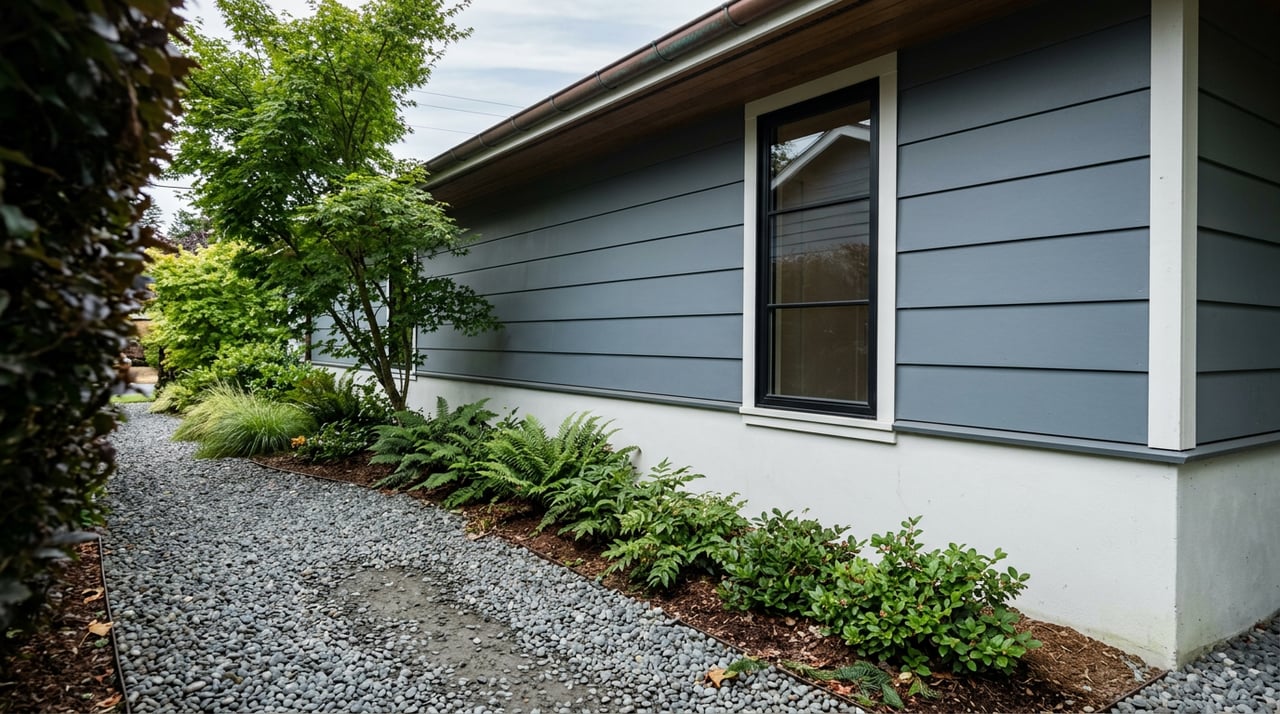
Wallingford's housing stock makes this a when, not an if. The neighborhood's tree-lined blocks of Craftsman bungalows and 1920s-to-1940s foursquares were built during the exact decades when heating oil was the default fuel for Seattle homes, a run that lasted from roughly the 1920s through the 1960s before natural gas took over. When a house converted, the furnace usually got swapped. The tank underneath the yard, more often than not, did not. It just stayed there.
Here's the part that trips up sellers who assume a decades-old tank is somebody else's problem. According to Titan Inspection Services, under Washington law, the current property owner is responsible for cleanup regardless of who installed the tank, and there is no statute of limitations on that liability. A tank that was pumped out and forgotten in 1985 can still generate a cleanup bill for whoever owns the house in 2026, because slow leaks don't announce themselves. They just sit in the soil.
Once a buyer's inspector spots a fill pipe or a vent cap along the side of the house, the tank can become the center of the negotiation.
There's also a real distinction hiding inside the word "decommissioned" that most sellers assume covers them and doesn't. A tank that's still in service means the house is actively heated with oil, which is a known, visible condition. A decommissioned tank was emptied, cleaned, and filled with an inert material like sand or foam, with a permit. An abandoned tank is the one nobody dealt with: no permit, no certificate, no soil test, just a steel container left in the ground because switching to gas felt like the end of the story.
The gap between decommissioned and abandoned is exactly where lenders and insurers start saying no. A buyer's lender may decline to fund the purchase if an underground tank is present and undocumented, and a standard homeowner's policy typically excludes the contamination that results from one. That leaves the seller holding a cost nobody agreed to before the inspection period started.
The dollar figures aren't the whole story, but they're the part a seller needs to plan around, and the spread between the low end and the high end is the entire reason this issue can stall a closing.
| Scenario | Typical cost |
|---|---|
| In-place decommissioning, no contamination found | $700 to $1,000 |
| Full tank removal, no contamination | $5,000 to $10,000 |
| Removal with soil remediation required | $10,000 to $15,000, with complex cases running past $100,000 |
The City of Seattle's own guidance on this puts the baseline risk plainly: cleanup costs for an oil leak can exceed $10,000 and often aren't covered by homeowner's insurance. The gap between the top and bottom rows of that table isn't really about the tank's condition. It's about whether contamination gets found before or after you've already told a buyer a number.
This is where the calendar problem actually lives. Washington's Pollution Liability Insurance Agency runs a Heating Oil Loan and Grant Program that can genuinely change the math for a seller facing contamination. It provides up to $75,000 per applicant, including up to $60,000 specifically for cleanup costs.
That sounds like the answer to everything above, until you look at when the money is actually available. The program doesn't run on demand. Application cycles open in spring and fall each year, and the 2026 spring window ran from May 4 through June 18, a window that's already closed as we head into fall. The next opportunity depends on when that fall cycle opens, and that's a date a seller can't control and shouldn't assume will land conveniently before a closing.
Picture the seller who lists a Wallingford bungalow this September, gets an accepted offer within a couple of weeks, and has the buyer's inspector flag fill-pipe evidence during the inspection period. That seller is now inside a closing timeline measured in days, staring at a state grant program that measures its availability in seasons. The money exists. It just isn't there on the day it's needed.
This is the actual argument for checking before you list rather than after you get an offer. Not because inspection will always find something, but because a discovery made in June, when you still have listing flexibility and an open grant window, behaves completely differently than the same discovery made three weeks before a September closing.
If you own an older home in Wallingford and you're thinking about selling this fall or next spring, the sequence matters more than any single step.
None of this is complicated once someone has walked through it. It's only alarming the first time, which for most sellers is the only time it happens.
What if I suspect a tank might be there? Check before listing; a buyer's inspector may notice the same evidence.
What if a previous decommissioning was claimed but I don't have paperwork? Ask for the permit number by name.
The tank isn't the emergency. The absence of a plan for it is. A Wallingford seller who checks the city database, walks the yard, and understands where the PLIA calendar sits relative to their own closing date is negotiating from a position of knowledge. A seller who finds out during the inspection period is negotiating from a position of pressure, and those two conversations end with very different numbers on the closing statement.
If you're weighing whether to list an older Wallingford home this fall, or you just want a clear-eyed read on what your specific property is worth once every local factor, tank included, is accounted for, Ryan Hoff can walk through it with you directly. Request a Free Home Valuation and get a straight answer before you're negotiating one under pressure.
This article is general information, not legal, tax or financial advice. Consult a qualified professional about your situation.
Stay up to date on the latest real estate trends.


My goal is not just to complete a sale, but to make sure my clients are well-educated throughout the process. My clients' needs come first and always making sure that they are satisfied. Providing my knowledge of market conditions and real home prices equips a seller or buyer to make their own decisions without a second thought.