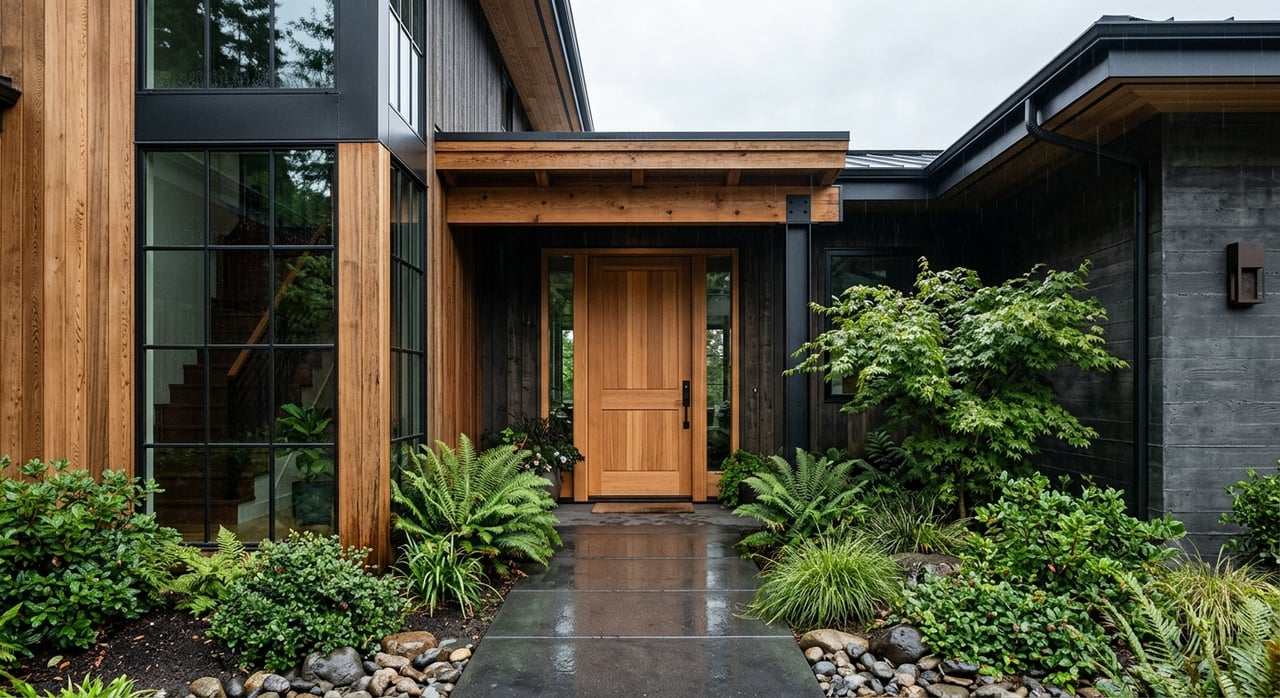
What Living Near Ballard Locks Is Like in Old Ballard
June 18, 2026
June 18, 2026
If you are drawn to places where daily life feels tied to the water, Old Ballard stands out fast. Living near the Ballard Locks and waterfront means you are close to working marine infrastructure, historic streets, public gardens, beach access, and a neighborhood rhythm that changes with the seasons. If you are considering a move here, understanding that mix can help you decide whether the area fits your lifestyle. Let’s dive in.
Old Ballard is not just a broad label for northwest Seattle. It is best understood as the historic Ballard Avenue and Market Street core, where preserved commercial buildings from the 1890s through the 1940s still shape the neighborhood’s look and feel.
That history matters when you spend time here. Ballard began as an independent town with strong lumber, fishing, and Scandinavian ties before Seattle annexed it in 1907. Today, that background still shows up in the area’s small-town scale, maritime identity, and active main-street feel.
The Ballard Locks are the area’s defining landmark. Formally called the Hiram M. Chittenden Locks, they were completed in 1917 and connect Lake Washington, Lake Union, and Salmon Bay to Puget Sound.
They do more than create a scenic backdrop. The Locks help maintain lake levels, prevent saltwater intrusion, and move boats between fresh and salt water, which gives the area a constant sense of motion and purpose. The U.S. Army Corps of Engineers also identifies them as the busiest navigation lock in the nation.
For you as a resident, that means the waterfront here feels active rather than purely decorative. Boats pass through, people gather to watch, and the space works as both infrastructure and public destination.
One of the biggest draws of living near the Locks is that the waterfront experience changes block by block. In one stretch, you get views of boats and canal activity. In another, you find quieter paths, gardens, and places to sit for a slower afternoon.
This variety makes the area easy to revisit without feeling repetitive. A short walk can turn into salmon viewing, people-watching, or a casual loop through landscaped grounds. That flexibility is a big part of why the neighborhood appeals to buyers who want scenery tied to everyday use.
The Locks grounds include a fish ladder viewing room, visitor center, and the Carl S. English Jr. Botanical Garden. There is also recurring public programming such as summer concerts, garden events, and seasonal storytime.
That gives the area a rhythm beyond tourism. Instead of feeling like a one-time stop, the Locks can become part of your weekly routine, especially if you enjoy low-key outdoor time close to home.
The Carl S. English Jr. Botanical Garden gives this part of Ballard a softer edge. The seven-acre garden and accredited arboretum transformed the original construction site into a landscaped public space.
For nearby residents, that matters because it adds a park-like experience right next to one of Seattle’s busiest marine landmarks. You can move from active boat traffic to quiet garden paths within the same outing.
When people talk about the Ballard waterfront lifestyle, Golden Gardens Park is a major reason why. The park includes sandy beaches, rugged coastline, forest trails, a fishing pier, picnic sites, fire pits, and both motorized and hand-carry boat launches.
The setting also offers broad views of Puget Sound and the Olympic Mountains. If you value easy access to outdoor space, this park adds a different kind of waterfront experience than the Locks, with more room to stretch out and spend a full afternoon.
One of the area’s most recognizable summer traditions is the beach fire season at Golden Gardens. Seattle Parks says fires are allowed only in designated pits during the summer season, generally from Memorial Day to Labor Day, which helps define the neighborhood’s warm-weather routine.
Shilshole Bay Marina reinforces that this is not a waterfront neighborhood in name only. The Port of Seattle describes the marina as a full-service destination for boaters with breakwater protection, wide fairways, fuel and power, and 24-hour staff and security.
For residents, the marina adds to the working-waterfront identity of the area. It also supports nearby walking paths and easy connections to Ballard destinations, parks, and waterfront stops, helping the whole area feel linked rather than isolated.
Living near the Ballard Locks is not just about views. It is also about how easily you can move through the area on foot or by bike.
The Burke-Gilman Trail plays a major role in that daily flow. Seattle Parks describes it as a popular multi-use trail, and around Ballard that means you are sharing space with walkers, runners, cyclists, skaters, and commuters as part of normal neighborhood life.
That practical movement network gives the waterfront more everyday value. It is not only scenic on a weekend. It is part of how people actually get around and connect to nearby destinations.
A big part of Old Ballard’s appeal is that the historic district still feels active. Ballard Avenue is home to boutiques, artist studios, galleries, fishing-equipment manufacturers, and even a television studio, which shows how the neighborhood’s historic character and current business life coexist.
That balance helps the area feel lived-in. You are not stepping into a preserved district that shuts down after business hours. You are in a place where older buildings still support regular neighborhood activity.
Ballard’s food scene is part of the lifestyle, not a separate attraction. The neighborhood is known for a mix of seafood small plates, breweries, Japanese, Vietnamese, tacos, Scandinavian-style beer hall fare, and cafes.
What stands out is how naturally food connects to time outdoors here. Ballard is the kind of place where grabbing lunch can easily lead to the beach, the Locks, or a walk through the historic core. That casual blend is one reason the neighborhood feels social without trying too hard.
If you live in Old Ballard, weekends tend to feel active and pedestrian-oriented. The year-round Sunday Ballard Farmers Market on Ballard Avenue NW and 22nd Ave NW is a major part of that routine.
The market adds energy, but it also reinforces convenience. Errands, food, and recreation sit close together here, so a simple Sunday plan can turn into a full neighborhood day without much effort.
Seattle Parks also notes that the Ballard Community Center is within walking distance of the Locks and Market Street shops and restaurants. That closeness between amenities helps make the area feel connected at a human scale.
Summer is when the neighborhood’s event calendar becomes especially noticeable. Ballard Music & Seafoodfest, scheduled for July 10 through 12 in 2026, is a free three-day community festival centered on seafood, craft beer, live music, and local vendors.
Ballard Alliance says the event draws more than 75,000 annual attendees. For residents, that means summer can feel especially lively, with the maritime and street-festival side of Ballard on full display.
The Locks also contribute to that seasonal energy through concerts and garden events. The result is a neighborhood that has a repeatable cycle of activity from spring into early fall rather than one isolated event weekend.
It helps to go in with clear expectations. Sundays and summer event periods can feel especially busy around Old Ballard, the Locks, and the waterfront.
For many buyers, that is part of the appeal. The foot traffic and event energy make the neighborhood feel social, active, and distinctly urban in a walkable way.
At the same time, your experience may depend on how close you want to be to the busiest blocks and gathering areas. Some buyers love being in the middle of the action, while others prefer a nearby pocket that still offers access with a little more breathing room.
Living near the Ballard Locks and waterfront appeals to buyers who want more than a pretty setting. This part of Old Ballard offers layers of value, including historic character, practical walkability, active public space, and regular access to the water.
It also delivers variety. On one day, you might spend time at the farmers market and Ballard Avenue. On another, you might head for Golden Gardens, walk the Burke-Gilman Trail, or pause at the botanical garden near the Locks.
That range is important if you want a neighborhood that supports both routine and spontaneity. Old Ballard gives you places to return to again and again without losing the sense of discovery.
If you own a home near the Ballard Locks and waterfront, lifestyle is a big part of your property’s market story. Buyers are not only evaluating square footage or finishes. They are also thinking about proximity to the Locks, waterfront access, Ballard Avenue, trail connections, beach time, and seasonal neighborhood energy.
That means presentation and neighborhood context matter. A thoughtful listing strategy can help buyers understand how a home connects to the rhythms of Old Ballard and why that location stands out within the broader Seattle market.
Whether you are buying or preparing to sell, local insight makes a difference. If you want guidance grounded in neighborhood detail and a low-pressure approach, connect with Ryan Hoff to start the conversation.
Stay up to date on the latest real estate trends.
My goal is not just to complete a sale, but to make sure my clients are well-educated throughout the process. My clients' needs come first and always making sure that they are satisfied. Providing my knowledge of market conditions and real home prices equips a seller or buyer to make their own decisions without a second thought.