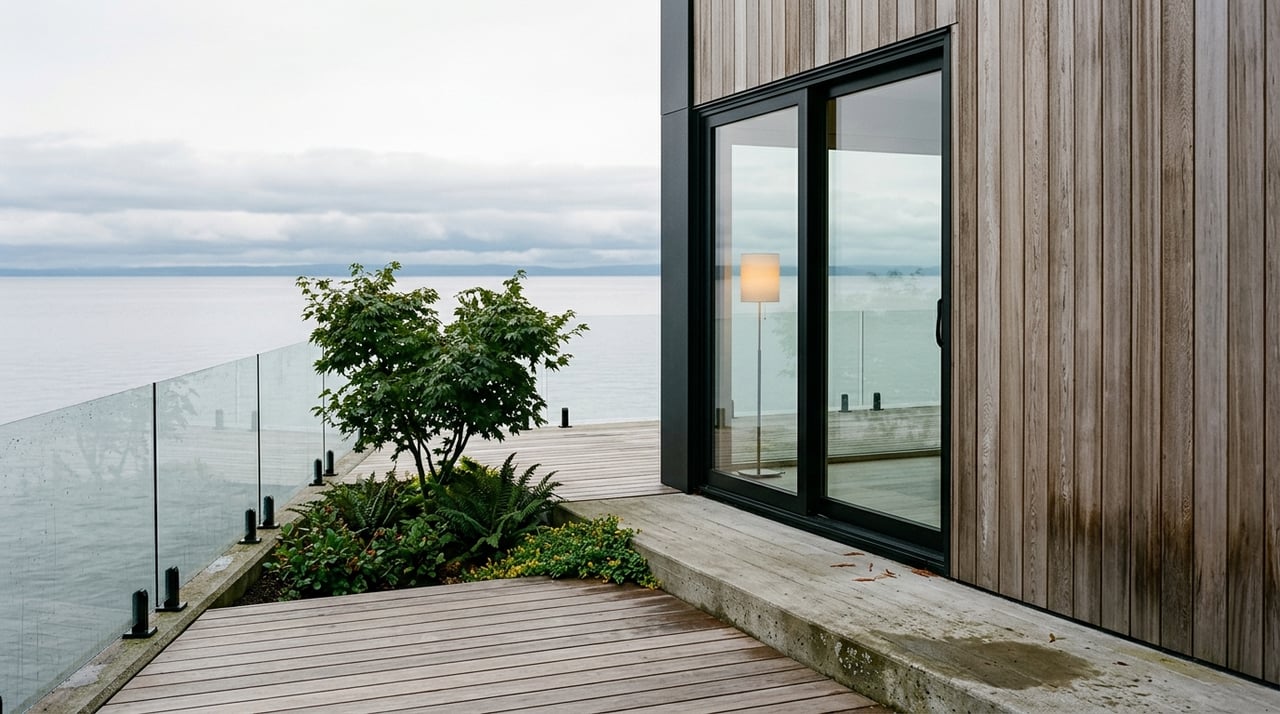
Seattle Waterfront Living Guide for Key Areas and Tradeoffs
June 4, 2026
June 4, 2026
Dreaming about waking up to water views in Seattle? Waterfront living here can be incredible, but the right fit depends on which water you choose and how comfortable you are with the tradeoffs that come with shoreline property. If you are comparing saltwater, freshwater, or a more urban marina setting, this guide will help you understand what changes from one waterfront area to the next and what to look for before you buy. Let’s dive in.
In Seattle, “waterfront” is not just about having a view or a path to the shore. The city’s shoreline district includes Puget Sound and Elliott Bay, Lake Washington, Lake Union, and Portage Bay, plus land within 200 feet of those waters.
That matters because shoreline property often comes with extra rules tied to environmental protection, public access, and shoreline use. According to Seattle’s shoreline framework, some projects may require shoreline review, and even exempt projects still need to follow shoreline rules.
For you as a buyer, that means a waterfront home can involve more than location and lifestyle. It can also mean a more complex legal and permitting context, especially if you are thinking ahead to repairs, upgrades, or changes to docks, floats, or shoreline features.
Seattle waterfront living usually falls into three broad categories. Each one offers a different day-to-day feel, housing pattern, and set of tradeoffs.
If you picture beach walks, sunset views, salt air, and a more open-water feel, Puget Sound and Elliott Bay are often what come to mind. This is Seattle’s saltwater side, and it tends to feel the most marine and publicly oriented.
Alki Beach Park is one of the clearest examples. It is known for a long beach stretch that draws walkers, joggers, cyclists, and people out for a casual day along the water. Seacrest Park adds another layer with hand-carry boat launches, protected scuba access, and Water Taxi access, while Magnolia Boulevard offers bluff-top views of the Sound.
On the housing side, areas like Alki include single-family homes and low-rise multifamily buildings. In practical terms, this waterfront lifestyle can feel the most exposed to wind, tide, and marine weather, but also the most connected to beach activity and wide-open views.
Lake Washington offers a different kind of waterfront experience. It is Seattle’s freshwater side, and it often feels more residential and neighborhood-centered than the saltwater shoreline.
Madison Park is a useful example of that pattern. Historic neighborhood materials describe it as mostly single-family homes, along with some waterfront condominiums and a smaller number of apartment buildings. Seattle Parks also clusters shoreline parks and summer swim beaches along Lake Washington, including Madison Park, and the city provides free lifeguarded swimming beaches there in summer.
For many buyers, Lake Washington living feels tied to swim beaches, picnics, paddling, and a calmer neighborhood routine. If you want waterfront access that feels more like an extension of daily residential life, this side of Seattle often matches that goal.
Lake Union has the most urban waterfront identity of the three. It sits close to the city core, and its shoreline is shaped by marinas, houseboat moorage, commercial docks, dry-docks, and industry.
Eastlake planning materials describe the area as a residential lakefront community with low-to-moderate residential density, pedestrian-scale mixed-use development, neighborhood services, and maritime uses. Around the lake, the Cheshiahud Loop connects more than 35 pocket parks, street ends, and waterways, while Lake Union Park and Terry Pettus Park add public access points along the shoreline.
This creates a very different kind of waterfront living. Instead of classic detached-house shoreline living, Lake Union often feels like city living on the water, with floating homes, marina activity, and a denser built environment.
If you want a simple shorthand, here is a practical way to think about Seattle’s main waterfront options:
| Waterfront area | Typical feel | Everyday lifestyle cues | Common tradeoff |
|---|---|---|---|
| Puget Sound / Elliott Bay | Saltwater, beach-oriented, open views | Beach walks, sunsets, marine atmosphere | More exposure to wind, tide, and marine weather |
| Lake Washington | Residential, calmer, neighborhood-oriented | Swim beaches, paddling, picnics, freshwater recreation | Less of the dramatic open-water saltwater feel |
| Lake Union | Urban, active, maritime | Marinas, floating homes, parks, city access | More commercial and built-up shoreline character |
None of these is universally “better.” The right choice depends on how you want the water to shape your daily routine.
A waterfront home can deliver a lifestyle that is hard to match inland. At the same time, these properties often come with added complexity that you should understand before making an offer.
Seattle shoreline properties are more regulated than a typical inland home. The city notes that shoreline projects may need review through a shoreline substantial development permit or a master use permit, depending on the work involved.
That can affect how you think about future plans. If you are considering exterior updates, shoreline improvements, or work involving docks, floats, or seawalls, it is smart to understand early how site-specific review could affect timing, cost, and feasibility.
If you are drawn to Seattle’s floating-home lifestyle, especially around Lake Union, there are additional considerations. Seattle recognizes floating homes, floating on-water residences, house barges, and vessels containing dwelling units.
The city also requires floating-residence owners to keep records current, get authorization before certain exterior repairs or rebuilds, and avoid short-term rentals under 30 days. For buyers, that means floating-home ownership can be uniquely appealing, but it also comes with a more specialized ruleset than a typical house or condo.
Waterfront ownership also means taking flood and climate risk seriously. FEMA states that homes in high-risk flood areas with government-backed mortgages must carry flood insurance.
Seattle’s climate materials also note that sea-level rise can increase high-tide flooding, storm surge, shoreline erosion, rising groundwater levels, and flood risk. In real terms, that can affect your monthly budget, insurance planning, and long-term comfort with a property’s exposure.
Even without major changes, waterfront ownership can bring extra carrying costs. A reasonable takeaway from Seattle’s shoreline and floating-residence rules is that properties with shoreline features or on-water elements may involve more site-specific review and maintenance considerations than a typical inland home.
That does not mean you should avoid them. It means you should go in with clear eyes, a realistic budget, and a plan for evaluating both the home and the site itself.
If you are deciding between Seattle waterfront areas, start with your daily life rather than the view alone. The best waterfront home is usually the one that supports how you actually want to live.
If you want saltwater atmosphere, beach access, and dramatic sunset energy, Puget Sound and Elliott Bay may be the best fit. If you want a more residential setting centered on swim beaches and a slower lake rhythm, Lake Washington may feel more natural. If you want city access, maritime activity, and a distinctly urban waterfront experience, Lake Union may stand out.
It also helps to think beyond the present moment. Ask yourself how much flexibility you want for future improvements, how comfortable you are with added permitting complexity, and whether insurance and climate exposure fit your budget over time.
Seattle waterfront property is highly location-specific. Two homes with similar views can have very different shoreline context, permitting history, or future improvement potential.
That is why local guidance matters so much when you are shopping in this segment of the market. A thoughtful, neighborhood-level approach can help you compare not just price and finishes, but also the practical tradeoffs that shape long-term ownership.
If you are weighing waterfront options in Seattle or the broader north Seattle corridor, working with someone who understands both lifestyle fit and property-specific complexity can help you move forward with more confidence.
Waterfront living can be one of the most rewarding ways to experience Seattle, but the best choice is rarely one-size-fits-all. If you want help sorting through neighborhood options, comparing property tradeoffs, or planning your next move with a calm, informed strategy, connect with Ryan Hoff.
Stay up to date on the latest real estate trends.
My goal is not just to complete a sale, but to make sure my clients are well-educated throughout the process. My clients' needs come first and always making sure that they are satisfied. Providing my knowledge of market conditions and real home prices equips a seller or buyer to make their own decisions without a second thought.